
Table of Contents
ToggleA movie breakdown is one of the most important documents in film production. It transforms a script into a practical shooting plan. Without it, productions face budget overruns, scheduling chaos, and missed details that cost time and money.
This guide explains what a movie breakdown is, why filmmakers need one, and how to create an effective breakdown from scratch. Whether someone is producing their first short film or managing a feature-length project, understanding movie breakdowns will save headaches down the line.
Key Takeaways
- A movie breakdown transforms a script into a practical shooting plan by identifying every element needed for each scene, from cast and props to special effects.
- Productions without proper movie breakdowns risk budget overruns, scheduling chaos, and costly reshoots due to missed details.
- Industry-standard color coding (red for cast, green for props, blue for special effects, etc.) makes breakdowns easy to scan and reference across departments.
- Line producers, assistant directors, and department heads all rely on the breakdown to create accurate budgets, build schedules, and allocate resources.
- Creating a movie breakdown involves reading the script, numbering scenes, marking elements by color, transferring details to breakdown sheets, and reviewing with department heads.
- Filmmakers can create breakdowns using paper, spreadsheets, or dedicated software like Movie Magic Scheduling or StudioBinder—choose based on project scale and budget.
Understanding the Purpose of a Movie Breakdown
A movie breakdown serves as the bridge between creative vision and practical execution. It’s the document that tells everyone on set exactly what they need to bring, prepare, and schedule for each scene.
At its core, a movie breakdown identifies every element required to shoot a script. This includes actors, props, costumes, locations, special effects, and vehicles. The breakdown organizes these elements scene by scene, giving department heads a clear picture of their responsibilities.
Why Every Production Needs One
Productions without proper breakdowns waste money. A forgotten prop means reshoots. An overlooked special effect delays the schedule. A missing costume piece stops filming entirely.
The movie breakdown prevents these problems by forcing the production team to think through every detail before cameras roll. It answers critical questions:
- How many actors appear in each scene?
- What time of day does the scene take place?
- Does the scene require stunts or special equipment?
- What locations are needed?
Line producers use the movie breakdown to create accurate budgets. Assistant directors use it to build shooting schedules. Department heads use it to allocate resources. The document touches every aspect of production planning.
The Relationship Between Breakdowns and Budgets
Money follows the breakdown. When a producer totals up all the elements across every scene, they can estimate costs with precision. Need three police cars for Scene 12? That’s a rental fee. Scene 45 requires rain effects? Budget for a water truck and crew.
A thorough movie breakdown reveals the true scope of a project. Some scripts look simple on the page but demand significant resources. Others seem complex but require fewer moving parts than expected. The breakdown tells the truth about what a film actually needs.
Key Elements Included in a Script Breakdown
A complete movie breakdown tracks multiple categories of production elements. Each category gets its own color code, making the breakdown easy to scan and reference.
Cast Members
Every speaking role gets identified and numbered. Background actors (extras) are counted separately. The breakdown notes which cast members appear in each scene, helping the assistant director schedule shooting days efficiently.
Props and Set Dressing
Props are items actors interact with directly. Set dressing includes everything else that fills the frame. A coffee cup a character drinks from is a prop. The paintings on the wall behind them are set dressing. Both need to be in the breakdown.
Wardrobe and Makeup
Costume changes get tracked scene by scene. If a character wears the same outfit across multiple scenes, the breakdown groups those scenes together for continuity. Special makeup effects, scars, wounds, aging, require additional notes and time allowances.
Locations
Each scene specifies interior or exterior and the general setting (office, bedroom, parking lot). The movie breakdown helps location scouts understand what spaces the production needs to find or build.
Special Effects and Stunts
Practical effects like explosions, breakaway glass, or fire require safety coordinators and specialized equipment. Stunts need stunt performers, rehearsal time, and safety meetings. The breakdown flags these elements early so productions can budget and plan accordingly.
Vehicles and Animals
Cars, boats, and aircraft add logistical challenges. Animals require trainers, backup animals, and extra time. A movie breakdown that misses these elements creates expensive surprises during production.
Sound and Music
Scenes with on-set playback, live music, or specific sound requirements get noted. If actors need to lip-sync to a song, the breakdown indicates that playback equipment is necessary.
How to Create a Movie Breakdown Step by Step
Creating a movie breakdown follows a systematic process. Here’s how professionals approach it.
Step 1: Read the Script Completely
Before marking anything, read the entire script. Get familiar with the story, characters, and overall scope. Note recurring locations or elements that span multiple scenes.
Step 2: Number Each Scene
Every scene gets a unique number. Scene numbers follow the script page order and don’t change, even if scenes get added or removed later. Added scenes use letters (Scene 12A, Scene 12B).
Step 3: Create Scene Headers
For each scene, document the basic information: scene number, interior or exterior, location name, time of day (day or night), and a brief description.
Step 4: Mark Elements with Colors
Using the industry-standard color system, highlight or underline each element in the script:
- Red: Cast members
- Orange: Stunts
- Yellow: Extras/background
- Green: Props
- Blue: Special effects
- Purple: Vehicles
- Pink: Wardrobe
- Brown: Animals
Step 5: Transfer to Breakdown Sheets
Each scene gets its own breakdown sheet. Transfer all marked elements from the script to the sheet, organizing them by category. Add notes about timing, special requirements, or potential challenges.
Step 6: Review with Department Heads
Share the movie breakdown with key crew members. They’ll catch elements you missed and add details from their expertise. A prop master might identify items implied but not explicitly stated in the script.
Step 7: Update as Needed
The breakdown is a living document. Script revisions mean breakdown revisions. Keep versions numbered and dated so everyone works from the same information.
Tools and Software for Movie Breakdowns
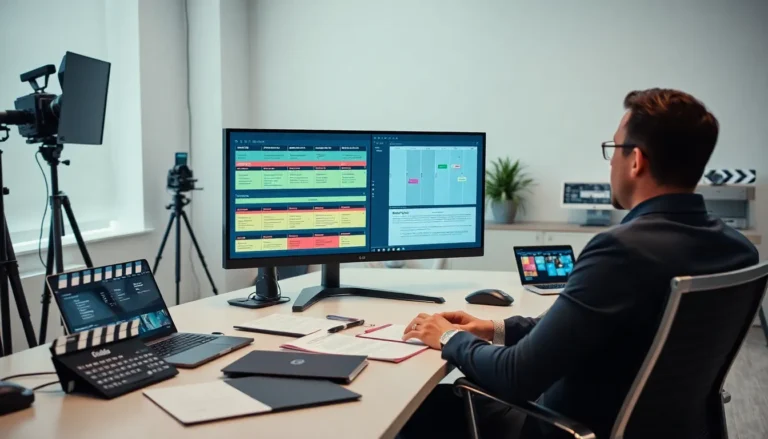
Filmmakers can create a movie breakdown using paper, spreadsheets, or dedicated software. Each approach has trade-offs.
Traditional Paper Method
Old-school breakdowns use printed scripts and colored pencils. Physical breakdown sheets get filed in production binders. This method works for small productions but becomes unwieldy for larger projects. Paper breakdowns also make collaboration difficult, there’s only one copy.
Spreadsheet Solutions
Excel or Google Sheets offer a step up from paper. Filmmakers can create templates with columns for each element category. Spreadsheets allow sorting, filtering, and basic calculations. Multiple team members can access shared documents simultaneously.
The downside? Spreadsheets require manual setup and don’t integrate with scheduling software. They work for independent productions with limited budgets.
Dedicated Breakdown Software
Professional productions typically use purpose-built tools. Movie Magic Scheduling remains an industry standard, offering breakdown sheets that connect directly to stripboard scheduling. StudioBinder provides cloud-based breakdown tools with collaboration features. Celtx combines screenwriting with breakdown functionality.
These platforms cost money but save time. They automatically generate reports, track revisions, and keep all production documents in one ecosystem.
Choosing the Right Tool
The best tool depends on project scale and budget. A weekend short film might only need Google Sheets. A union feature film demands software that integrates with industry standards. Start simple and upgrade as productions grow in scope.