Table of Contents
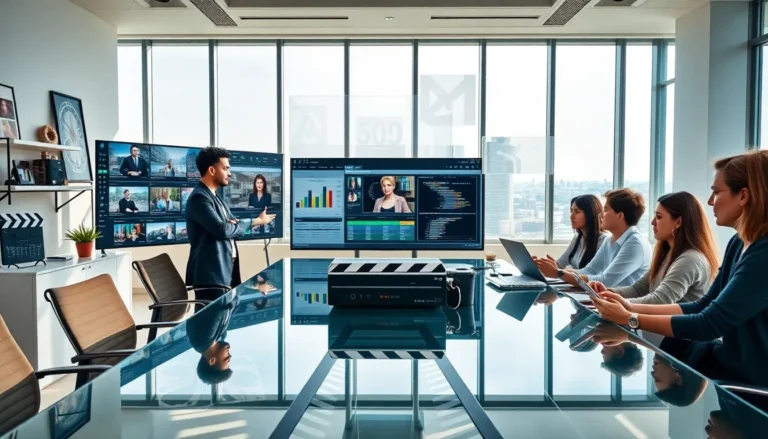
ToggleMovie breakdown tools have become essential for filmmakers who want to analyze scripts and plan productions efficiently. These software solutions help directors, producers, and editors dissect every element of a film, from scene structure to character arcs and budget requirements.
Whether someone is working on an indie short or a studio feature, the right breakdown tool can save dozens of hours during pre-production. This guide covers what movie breakdown tools do, the features that matter most, and how to pick the best option for any project.
Key Takeaways
- Movie breakdown tools automate script analysis, saving filmmakers dozens of hours during pre-production by identifying locations, characters, props, and costumes.
- Look for breakdown software with automatic element detection, customizable categories, and seamless integration with scheduling and budgeting platforms.
- Top movie breakdown tools include StudioBinder for cloud collaboration, Movie Magic for studio-level productions, and Gorilla for budget-conscious filmmakers.
- Choose your breakdown tool based on budget, team size, project type, and how well it fits your existing production workflow.
- Always use free trials to test movie breakdown tools with real scripts before committing to a purchase or subscription.
What Are Movie Breakdown Tools?
Movie breakdown tools are software applications that help filmmakers analyze and organize scripts before production begins. They extract key details from screenplays, locations, characters, props, costumes, special effects, and organize them into structured reports.
Think of breakdown tools as the bridge between a written script and a shooting schedule. A producer reads a screenplay and sees a story. Breakdown software reads the same script and sees 47 locations, 12 speaking roles, 3 vehicle stunts, and 200 costume changes.
The traditional method involved printing scripts and marking them with colored highlighters. Each color represented a different element: yellow for cast, red for props, green for wardrobe. This manual process worked, but it was slow and prone to errors.
Modern movie breakdown tools automate much of this work. They scan scripts in standard formats (PDF, Final Draft, Fountain) and use algorithms to identify and tag elements automatically. Some tools even use AI to suggest categories and flag potential scheduling conflicts.
Breakdown software serves multiple departments:
- Production managers use it to estimate budgets and create shooting schedules
- Directors use it to plan shot lists and visualize scenes
- Department heads use it to track their specific needs (wardrobe, props, makeup)
- Editors use it during post-production to organize footage by scene and element
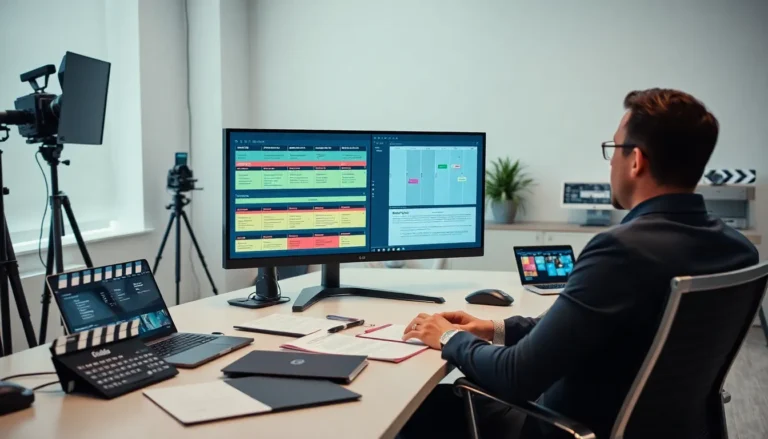
The output typically includes breakdown sheets (one per scene), strip boards for scheduling, and reports sorted by any category the user needs.
Key Features to Look for in Breakdown Software
Not all movie breakdown tools offer the same capabilities. Here are the features that separate professional-grade software from basic options.
Script Import and Parsing
The best breakdown tools accept multiple script formats without losing formatting. They should parse scene headings, action lines, and dialogue accurately. Look for software that handles revisions well, colored pages and change tracking matter during active production.
Automatic Element Detection
Manual tagging takes hours. Good movie breakdown tools identify characters, locations, and common elements automatically. The software should learn from corrections, improving accuracy over project time. Some tools offer AI-powered detection that catches props mentioned in action lines or wardrobe specified in descriptions.
Customizable Categories
Every production has unique needs. A period drama requires different tracking than a sci-fi action film. The software should allow users to create custom element categories beyond the standard set. This flexibility makes movie breakdown tools useful across genres and budget levels.
Collaboration Features
Film production involves teams. Cloud-based breakdown tools let multiple users work simultaneously, with changes syncing in real time. Permission levels should control who can edit versus who can only view. Comment threads and task assignments streamline communication.
Integration with Other Production Software
Breakdown data feeds into scheduling, budgeting, and call sheet software. The best tools export to industry-standard formats or integrate directly with platforms like Movie Magic, Gorilla, or StudioBinder. Isolated breakdown tools create extra work when data needs to move between systems.
Reporting and Export Options
Producers need reports sorted by location, by day, by department. Movie breakdown tools should generate multiple report types and export them as PDFs, spreadsheets, or directly to printers. Mobile access helps when reviewing breakdowns on set or in location scouts.
Top Movie Breakdown Tools for Filmmakers
Several movie breakdown tools dominate the market. Each serves different needs and budgets.
StudioBinder
StudioBinder offers a complete production management suite with strong breakdown features. Its automatic tagging catches most elements on first pass. The platform runs entirely in the browser, making collaboration simple. Free tiers exist for smaller projects, with paid plans for professional productions. StudioBinder excels at integrating breakdowns with call sheets, shot lists, and scheduling.
Movie Magic Scheduling
Movie Magic has been an industry standard for decades. Its breakdown module connects directly to scheduling and budgeting tools from the same company. The learning curve is steeper than newer options, but the depth of features satisfies complex productions. Major studios and production companies often require Movie Magic compatibility.
Gorilla Scheduling
Gorilla provides professional breakdown tools at a lower price point than Movie Magic. It runs on desktop (Mac and Windows) with a clean interface. The software handles multi-episode TV series well, with features for tracking elements across seasons. Independent filmmakers often choose Gorilla for its balance of power and affordability.
Celtx
Celtx started as screenwriting software and expanded into full pre-production. Its breakdown tools integrate tightly with script writing, making it convenient for writer-directors. The cloud-based platform works on any device. Celtx targets indie filmmakers and students with accessible pricing.
SetHero
SetHero focuses on day-of-production needs but includes breakdown capabilities. It shines at generating call sheets and managing crew communications. Productions that prioritize onset logistics over detailed pre-production analysis may prefer this option.
How to Choose the Right Tool for Your Project
Selecting movie breakdown tools depends on several factors specific to each production.
Budget constraints matter first. Student films and micro-budget projects can use free tiers from StudioBinder or Celtx. Mid-range productions benefit from Gorilla’s one-time purchase model. Studio projects typically absorb Movie Magic’s higher costs.
Team size and location affect the choice. Distributed teams need cloud-based movie breakdown tools with real-time collaboration. Small local crews might prefer desktop software that works offline.
Project type influences requirements. A documentary needs different breakdown categories than a narrative feature. TV series require episode-tracking features that single-film tools may lack. Commercial productions often need integration with agency workflows.
Existing workflows should guide decisions. If a production company already uses Movie Magic for budgeting, choosing Movie Magic Scheduling creates a seamless pipeline. Switching tools mid-production causes confusion and errors.
Learning curve deserves consideration. Some movie breakdown tools require significant training. Others work intuitively within minutes. The time available for onboarding should match the software’s complexity.
A practical approach: start with free trials. Most breakdown software offers limited-time access to full features. Import an actual script, run through the breakdown process, and generate sample reports. This hands-on test reveals whether the tool fits the project better than any feature comparison.